The Puppy Fallacy
 Marra
Marra 
They say "don't take your puppy out until they're fully immunised". The intent is to keep your pup safe. The result may be a dog who never feels safe.
"Don't take your puppy out.."
This is the biggest puppy fallacy that we have.
Every day honest, caring pet professionals are accidentally lying to their puppy clients. They're saying:
"Don't take your puppy out until after their final vaccination."
That is a very dangerous oversimplification. Those professionals know what they mean:
"Don't expose your pup to parvovirus and kennel cough before their vaccination series is finished."
But what their clients are hearing is:
"Don't socialise your puppy.."
Most people don't know what socialisation really is. So they don't realise that they're not doing it. And they aren't told that pups have a critical early socialisation period.
People believe that if their puppy plays with their other dog at home, or plays with a dog after their final vaccination, they're all set.
I and many other dog trainers consider this a major cause of behaviour problems.
What is Early Puppy Socialisation, Anyway?
In case you missed it, my simple deffinition for puppy socialisation is:
Experiencing new things in a way that feels fun and safe to the puppy, particularly during their early sensitive period.
Maybe a better term is "societal induction", or if you want to be less fancy "introduction to society". This is what is meant when a professional dog person refers to puppy socialisation.
The early socialisation period begins with their Mum and siblings, and continues to between 12 and 16 weeks (depending on a few factors).
Unsuspecting pet parents have a lot of trickly catching up to do if their pup has not had any exposure to "new-ness" other than the vet's office and their new home before this developmental opportunity is gone forever.
"Danger"? Really?
"Surely," you say "you're being over dramatic."
No. Failing to get in those crucial early successes in navigating new stuff leads to a LOT of "behavioural issues".
These issues are often tolerable while they're still brewing in a puppy. Usually, they get worse as pups move into adolescence. An early deficit in socialisation prevents normal reactions to the real world.
Cute but shy pups quickly develop barking and lunging at strangers, eating the house, screaming when left alone, or bark their heads off in the back yard all day, any time there's a noise.
At this point, the problematic dog is:
- left the the back yard to rot,
- sold or gifted to pass the problem on,
- sent to a rescue organisation for re-homing.
A LARGE number go on to have worsening behaviour issues, and many of those are deemed "unsuitable for adoption" = euthanasia.
That's why I say skipping introducing pups to society prior to final vaccination is dangerous. They don't cope well, and that leads to problems.
Missing early socialisation doesn't just endanger the future of the puppy. For those of us who love their dog and are committed to supporting them, the emotional toll and relationship strains have major impacts on our own well being. That may also include financial costs for vet behaviourists, behavioural trainers and medications.
Too many humans suffer because their stupid pet professional did not take the time to explain the potential consequences of failing to introduce their dog to the world early and well.
Dogs in the Modern World
What "stuff" do you expect your dog to be comfortable with as an adult? Truly, we have big expectations for our little dogs, when you think about it.
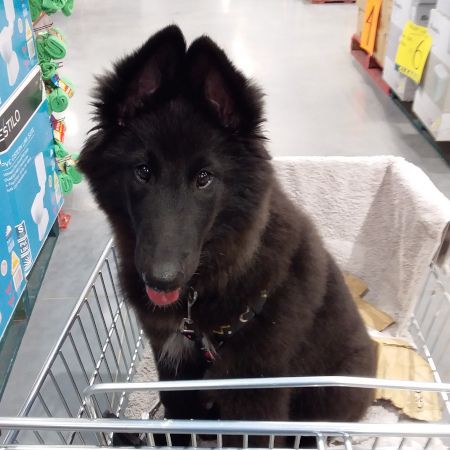
The induction should include every category of thing your puppy will need to NOT freak out about later in life. Here's a random list:
- humans making loud noises (power tools),
- being near busy roads, cars whizzing by,
- walking on pavement, tile, grass, dirt..
- going into crates, pens, cars,
- hearing sirens, motorbikes,Puppy socialisation adventure
- being in a crowd,
- having unknown dogs suddenly rush up,
- having unknown kids or adults grab them,
- being held down to be groomed or treated,
- getting washed and dried,
- seeing people running and shouting,
- seeing dogs running and shouting (barking),
- things that move as if by magic (trolleys, prams),
- strange objects that people carry (sticks, umbrellas..)
This is why, when I get a new pup (or dog, for that matter), we go out to look for these opportunities most days. Our adventures are short and fun, not overly challenging or frightening.
I ease up on frequency as the pup becomes good at handling these adventures. I switch to longer more complex and busy environments as they mature and gain skills.
Socialisation is a lifelong skill to maintain, but "new stuff" can happen a lot less frequently after well socialised dogs have matured.
Puppy Learning Starts Early
Pups are primed to be open to, and absorb information about their world BEFORE their immunisation is complete.
After pups have finished their vaccination series, it's a lot harder to introduce new things if they haven't already experienced "newness happens" + "I'm OK". They're much more likely to get a scare - which is not what you want!
Your aim with socialisation is for puppies to learn that new stuff is generally safe and fun.
Why I am Angry About "Don't take them out.."
Pet professionals are usually very aware that adolescent dogs make up the majority of dogs who are "ditched". These are the pups who did not get good behavioural support and socialisation to start with. Hyper, aggressive or terrified behaviour often (though not always) has roots in lack of good support for learning, early on.
But even though vets and breeders know problems crop up at that stage, far too many of them still throw out the "don't take them out until after their vaccinations are done." line, without further information.
I have had more than one client who literally did not even take their pup out into the atrium in the middle of their house based on that advice. "Don't take them out.." Sheesh. :-/
I'm no longer surprised when people want to join a puppy class to socialise their 16 week old puppy - or older. They don't even call to book until after puppy's final immunisation is complete.
The vet or breeder who DID THAT DAMAGE does not see how upset these very caring, responsible humans are when they realise that they failed their pup.
Their pup may never be the confident dog they wished for, because they followed that incomplete advice. Then they learn that they have a lot of extra work to catch their pup up with all the younger pups, socially.
Some of these pups will never recover to the level of confidence that they could have had in the world. They have learned to be afraid. Learning NOT to be afraid is a lot harder than just learning new, fun things.
Fortunately, with careful and controlled remedial socialisation experiences, many older pups do catch up! They're still at greater risk of being upset by things in later life, but their resilience can grow through learning.
What Can You Do?
Spread the word!
Puppies need to begin socialisation (or societal induction) before their full immunisation program is complete!
There's no need to compromise on health safety. Prior to completing pups' vaccinations, simply:
- avoid contact with public surfaces where unknown dogs may have been;
- avoid unknown (and possibly carrier) dogs.
That's it.
If you're worried, or hearing about an outbreak, be extra careful. Have people wash hands, and make sure friends' dogs and houses are clean and healthy. Make sure they haven't just come from the park and brought soil or slobbered-on clothes with them.
The rest of the world is open for puppies to observe and interact with! (With supervision and support, of course.)
Want to know more about introducing your puppy to society? Get in touch or have a look at the Puppy Program.
Categories: : Puppy, Social Skills